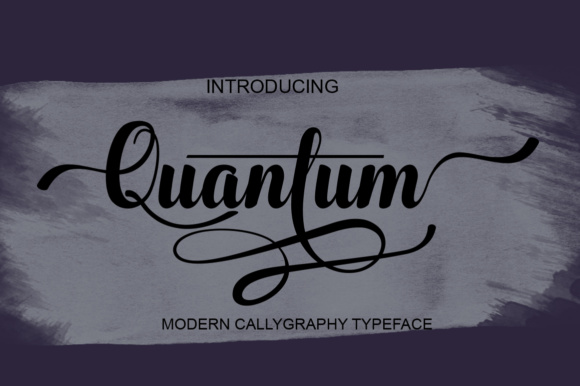
Quantum: The Dancing Calligraphy Script
If you’ve ever felt that a standard typeface lacked personality, or that your design projects needed a touch of organic elegance, then you might find Quantum to be a compelling answer. Quantum is not a rigid, digital font. It is a fresh and modern handmade calligraphy script, characterized by what its creator calls "dancing characters" and a "dancing baseline." Each letter possesses a unique, fluid rhythm, making it ideal for projects that require striking visual appeal without sacrificing a sense of warmth and craftsmanship.
Why a Dancing Baseline Matters
In traditional typography, the baseline is the invisible line upon which letters sit. Quantum’s dancing baseline means this line subtly waves and moves, giving the text an inherent sense of motion and life. This isn’t mere ornamentation; it’s a foundational design choice. For a greeting card, it evokes a handwritten, personal touch. For a business card or logo, it introduces dynamism and memorability. The characters themselves share this quality, with flourishes and connections that feel natural, not algorithmic.
This handmade quality means Quantum sits in a unique space. It offers the reliability and clarity of a digital typeface—you can type with it, scale it, and use it across applications—while retaining the artistic imperfections and variations of actual penmanship. This blend is precisely what makes it so versatile across different audiences and purposes.
A Script for Many Hands: How Different Audiences See Quantum
The value of a tool like Quantum changes depending on who is holding it. A beginner’s priority might be ease of use and learning value, while a seasoned brand designer is looking at commercial value and presentation. Let’s explore how Quantum might resonate across a spectrum of users.
For Creators and Hobbyists: Ease and Creativity
If you’re dipping into design for personal projects—perhaps creating custom wedding invitations, framing a favorite quote, or designing a blog header—your priorities often center on creativity and ease. Quantum is exceptionally approachable. You don’t need calligraphy skills to wield it; you simply select it as your font. It instantly elevates a plain text block into something with artistic flair. The learning value is high: using Quantum can teach you about spacing, visual weight, and how expressive typography works, all without the pressure of mastering a physical pen.
A hobbyist making greeting cards gains a tool that produces consistently beautiful results, saving time compared to hand-lettering each card individually while still achieving that coveted handmade look. The flexibility to use it in common software (like Word, Photoshop, or Canva) removes technical barriers.
For Professionals and Entrepreneurs: Presentation and Branding
For a freelance graphic designer, a marketing consultant, or a small business owner, the evaluation shifts to quality, commercial value, and long-term usefulness. Quantum here is an asset for branding materials. Its elegance makes it suitable for high-end sectors like boutiques, spas, or artisan food brands, while its modern edge can work for creative agencies or tech startups wanting a human touch.
Consider a small business owner crafting their first business cards. A standard font might blend into the background; Quantum ensures the card stands out, conveying attention to detail and artistic sensibility. For a professional designer, it’s a reliable, striking option to offer clients when a project needs warmth and distinction—a logo mark, a special campaign headline, or packaging accents. The reliability of a digital font means it integrates seamlessly into multi-platform branding systems, ensuring consistent presentation from print to web.
For Educators and Publishers: Engagement and Clarity
An educator designing a presentation or a workbook, or a publisher creating a book cover for a poetry collection, might prioritize engagement and presentation. Quantum’s dancing characters can make key quotes or chapter titles visually captivating, drawing the reader’s eye and enhancing the material’s emotional impact. It’s used sparingly, of course—for emphasis, not for body text—but its application turns a functional piece into something more memorable and aesthetically engaging.
Practical Examples in Action
To move from abstract benefits to concrete use, imagine these scenarios:
- A blogger uses Quantum for their site’s logo and featured quote images, creating a recognizable, elegant visual signature that sets their content apart.
- A freelance photographer employs Quantum on their watermark and in client presentation documents, aligning the typography with the artistic quality of their images.
- A couple planning their wedding designs all stationery—invitations, place cards, signage—with Quantum, achieving a cohesive, custom, and personally crafted look without the cost of a full-time calligrapher.
- A life coach or therapist integrates Quantum into inspirational materials shared with clients, where the typeface’s warmth and humanity visually support the message’s content.
Aligning Quantum with Your Own Goals
Deciding if Quantum matches your needs comes down to a few simple questions. What is the emotional tone of your project? If it requires warmth, personality, artistry, or a human touch, Quantum is a strong candidate. What is your skill level? If you are a novice, Quantum offers high impact with low technical difficulty. If you are a pro, it offers a unique, quality tool to expand your typographic palette.
Consider also the medium. Quantum excels in print and static digital graphics—greeting cards, business cards, quotes, logos, branding materials. It is less suited for long paragraphs of body text or highly formal, institutional documents where neutrality is key. Its strength is in striking, elegant display.
Ultimately, Quantum bridges a gap. It provides the creative freedom and aesthetic payoff of hand calligraphy to those who may not have the time or skill to learn it, and it provides a dependable, scalable digital asset to professionals who need both beauty and utility. Its dancing baseline isn’t just a design feature; it’s a metaphor for the tool itself—bringing static text to life, inviting it to move, and allowing your projects to express something a standard font simply cannot.