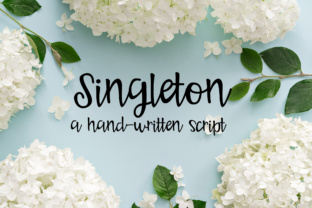
Singleton: The Script That Puts Personality First
In a digital world often dominated by sleek, minimalist, and sometimes sterile typefaces, there's a growing desire for fonts that feel more human, more approachable, and frankly, more fun. This is where Singleton enters the scene. It’s not just another font; it’s a hand-crafted script designed with a specific personality in mind: one that’s cute, upright, cursive, and has a delightful bounce in its baseline. If you’ve ever looked at a design and felt it needed a touch of warmth, a sprinkle of charm, or a handwritten authenticity that polished sans-serifs can’t provide, then understanding Singleton might be your next step.
What Exactly Is Singleton?
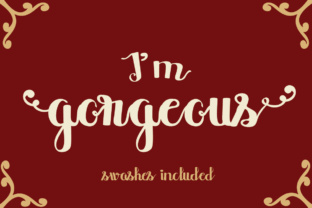
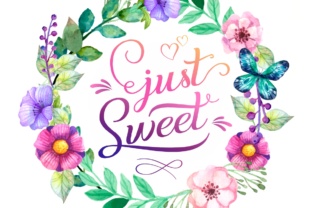
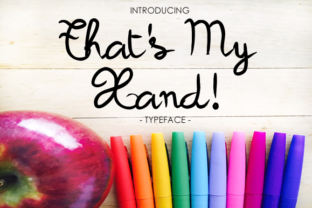
Singleton is a unique script font. The term "script" refers to typefaces that mimic handwriting or calligraphy. But Singleton carves out its own niche within this category. It isn't the formal, sloping cursive of a wedding invitation, nor is it the chaotic, grungy scratch of a graffiti font. Instead, it occupies a sweet spot: its letterforms are upright, making it highly legible, while its connected cursive flow and intentional bounce give it a lively, friendly rhythm. Each character looks as if it was drawn with care by a real person, not generated by a rigid algorithm. This hand-written quality is its core feature.
The "bounce in the baseline" is a particularly charming characteristic. In typography, the baseline is the invisible line upon which most letters sit. A perfectly aligned baseline can feel static. Singleton subtly varies the vertical position of its letters—some sit squarely on the line, others dip slightly below or float a touch above. This creates a visual rhythm akin to natural handwriting, where no two letters are mechanically identical. This bounce injects energy and a sense of playful motion into text, even in short words or phrases.
The Purpose and Value of a Font Like Singleton
Fonts are more than just vehicles for words; they are conveyors of tone and emotion. The primary purpose of Singleton is to bring a specific emotional quality to a design: warmth, authenticity, and approachable creativity. Its value lies in its ability to soften a message, make a brand feel more personal, or add a layer of crafted artistry to a project.
For general consumers viewing a website or product, text set in Singleton can feel more inviting and less corporate. For professionals and business owners, it offers a tool to differentiate their visual communication from competitors who might use only standard fonts. For creators—designers, bloggers, small business owners—it provides an accessible way to elevate their work without needing custom illustration or complex design skills. A well-chosen font like Singleton acts as a design shortcut to personality.
Where Can Singleton Be Used?
The applications for Singleton are vast, precisely because its personality is versatile within the "cute and crafted" aesthetic. It excels in contexts where you want to establish a direct, friendly connection with your audience.
Real-World Scenarios and Applications
- Brand Identity for Lifestyle Businesses: A boutique bakery, a handmade candle shop, a children’s clothing brand, or a cozy café. Using Singleton for logos, packaging labels, or website headers instantly communicates care, craftsmanship, and a human touch.
- Personal Blogs and Creative Portfolios: Bloggers, artists, photographers, or writers can use Singleton for their site titles, post headers, or signature quotes. It makes the digital space feel more personal and authored, breaking away from the generic templates.
- Event Invitations and Personal Stationery: While it's upright and clear, its cursive connections make it perfect for birthday party invites, thank-you cards, or personalized notes. It feels special without being overly formal.
- Product Marketing with a Soft Sell: For products that emphasize natural ingredients, artisanal methods, or emotional benefits (like self-care items), Singleton in marketing copy can reinforce those values. It’s less "buy now" and more "made for you."
- Social Media Graphics: In the fast-scrolling world of Instagram or Pinterest, graphics with text in Singleton can stand out. It’s perfect for quote graphics, announcement posts, or highlighting key features in a way that feels organic and engaging.
Who Benefits Most from Using Singleton?
Not every project needs a font like Singleton. Its benefits are most pronounced for specific users and goals.
- Small Business Owners and Entrepreneurs: Those building a brand from scratch, especially in creative, lifestyle, or customer-centric industries, can use Singleton to establish a memorable and relatable identity from day one.
- Digital Content Creators: YouTubers, podcasters, and online educators can use it in their video thumbnails, channel art, or presentation slides to create a consistent, friendly visual theme that audiences connect with.
- Designers Seeking a Specific Tool: Graphic and web designers benefit by adding Singleton to their toolkit as a go-to option for projects requiring a handwritten, upbeat feel. It solves a specific creative problem efficiently.
- Individuals Building a Personal Project: Whether it’s a wedding website, a family recipe blog, or a hobbyist’s online store, individuals wanting to infuse their project with personality and a sense of "self" will find Singleton incredibly valuable.
Strengths and Considerations
Like any specialized tool, Singleton has clear strengths and some important considerations to keep in mind for effective use.
Key Strengths
- High Emotional Impact: Its primary strength is its ability to set a specific, warm tone faster than most other design elements.
- Excellent Legibility for a Script: Being upright and carefully drawn, it remains readable even at smaller sizes or in shorter paragraphs, unlike many slanted or overly decorative scripts.
- Versatility within Its Niche: It can work for both digital and print applications, from website headlines to printed product tags.
- Distinctiveness: In a sea of common sans-serifs, using Singleton responsibly can make a design instantly more memorable and distinctive.
Practical Considerations and Limitations
To use Singleton effectively, understanding its boundaries is crucial.
- Not for Long-Body Text: Its decorative nature means it’s best used for headlines, titles, logos, pull quotes, or short emphatic phrases. Avoid using it for long paragraphs or entire articles, as readability will suffer and the bounce may become distracting.
- Context Compatibility: It may clash with very serious, technical, or high-finance contexts. Its personality is inherently casual and creative.
- Pairing with Other Fonts: Singleton shines when paired with a simple, neutral font for body text. A clean sans-serif or serif will ground the design and let Singleton do its expressive work without overwhelming the reader.
- Licensing and Availability: As a hand-written font, ensure you acquire Singleton from a legitimate source with a license that fits your use case (personal, commercial, web font, etc.). Always check the licensing terms.
Evaluating Singleton for Your Project
Before deciding to use Singleton, ask yourself a few guiding questions to evaluate its suitability.
- What is the emotional goal of my project? If the answers include friendly, personal, crafted, creative, cute, or inviting, Singleton is a strong candidate.
- Where will the font be used primarily? If it's for headlines, logos, or short impactful text—perfect. If it's for dense legal documents or technical manuals—look elsewhere.
- Who is my target audience? An audience looking for authenticity, personal connection, or artistic value will likely respond positively to Singleton. A purely analytical audience might not.
- What is the rest of my visual language? Does your color scheme, imagery, and layout style support or complement a cute, cursive script? Consistency is key.
Ultimately, Singleton is a font for those who believe personality matters in communication. It’s a deliberate choice to move away from the impersonal and toward the human. In the right context, it doesn’t just make words readable; it makes them feel welcoming. By understanding its features, strengths, and ideal applications, you can harness its quirky bounce and handwritten charm to add a layer of genuine, approachable character to your work, ensuring your message isn’t just seen, but felt.